%20(1).png)

Article
January 16, 2026
RTP em Slots - Explicado


O que é RTP em slots? Um guia completo para operadores de cassinos
Cada jogo de caça-níqueis tem um RTP (retorno ao jogador). Para um cassino online, é uma das métricas mais importantes, pois determina o valor médio pago aos jogadores. Um bom RTP é aquele que é alto o suficiente para atrair jogadores e garantir popularidade, sem inclinar a vantagem do jogador, e isso requer alguns modelos matemáticos complexos.
Então, o que é RTP em slots e como um desenvolvedor de slots calcula essa e outras métricas?
O que significa RTP em slots?
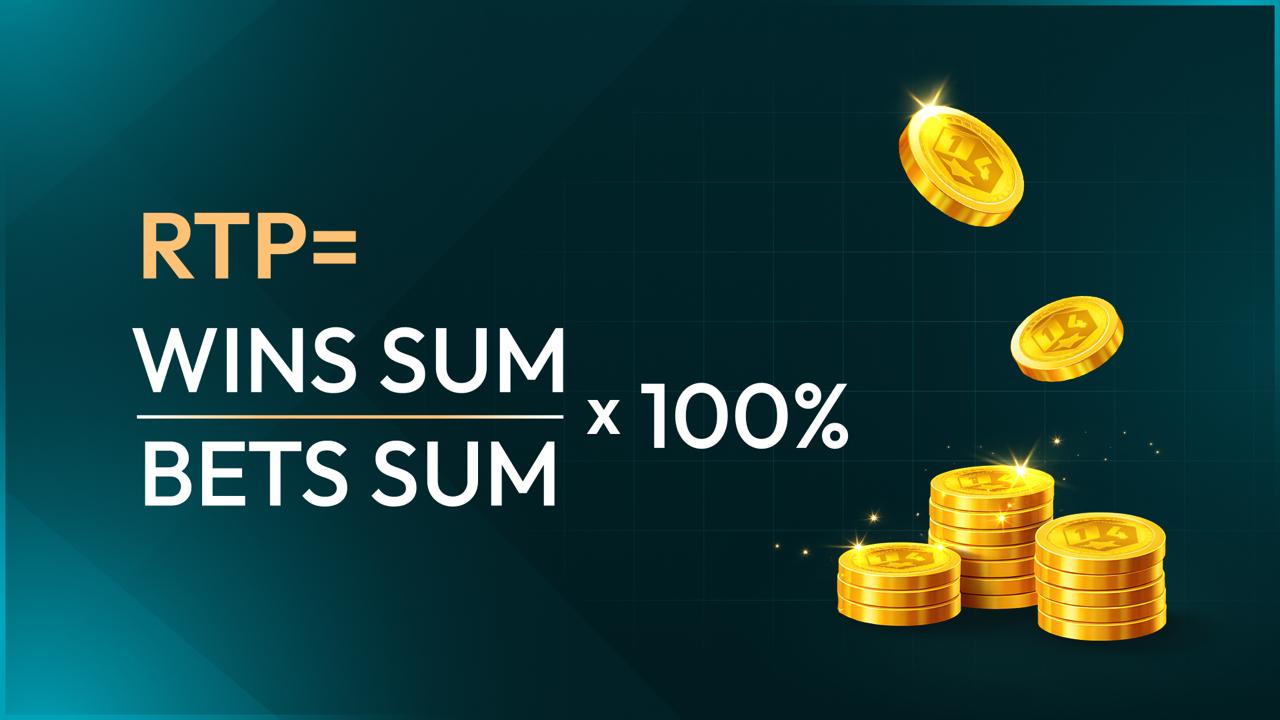
O RTP é um algoritmo que determina quanto pagar aos jogadores a longo prazo. Geralmente, é exibido como uma porcentagem que reflete o total de apostas.
Vamos usar o Mega Lucky Cashout como exemplo. Ele tem um RTP de 96,5%, o que significa que aproximadamente $96,5 de cada $100 são devolvidos aos jogadores. Obviamente, isso não significa que se um jogador fizer 100 rodadas a $1 cada, ele perderá $3,50. Eles poderiam perder muito mais. Eles poderiam vencer. No entanto, ao contabilizar todas as rodadas e jogadores, a média das perdas totais será de cerca de 3,5%.
Por meio de algoritmos matemáticos complexos e rodadas simuladas, os desenvolvedores de slots podem criar, testar e garantir o RTP em seus slots.
A maioria dos slots está entre a faixa de 94 a 97%, com um RTP de 96% sendo a média. No entanto, na 1spin4win, oferecemos muitos slots acima de 97% (como Booming Spins 243 e Buffalo's Wealth Fortune), atraindo jogadores exigentes e, ao mesmo tempo, acertando as notas certas nos cassinos.
Como um slot RTP é calculado
A questão de como calcular o RTP em slots é muito menos complicada do que costumava ser. Nos primeiros dias, um fornecedor de slots confiava em testes físicos e dados de cassinos. Atualmente, os desenvolvedores podem executar todos os cálculos sozinhos usando um software que gera milhões de rodadas.
Se eles programarem um milhão de rodadas e calcularem um retorno total de 96%, isso se torna o RTP. Pode parecer um exagero, mas essas simulações intensas negam o impacto da variância/volatilidade.
Pense nisso no contexto de um lançamento de moedas. Há 50% de cabeças ou caudas, mas depois de 10 voltas, os resultados podem ser 70/30. No entanto, se você jogar a moeda um milhão de vezes, os resultados suavizarão e corresponderão às projeções.
RTP e volatilidade
Jogadores informados estão recorrendo cada vez mais a métricas como RTP e volatilidade para identificar quais slots online jogar.
Se pensarmos nos pagamentos totais de um slot, a volatilidade é o “como” e “quando”, enquanto o RTP é o “quanto”.
Os desenvolvedores usam uma escala móvel para descrever a volatilidade de um jogo, variando de “baixa” a “alta”:
A volatilidade de um caça-níqueis ajuda os jogadores a escolher jogos adequados ao seu estilo de jogo, como aqueles que buscam grandes pagamentos e escolhem slots de alta volatilidade. Isso também os ajuda a preparar seu saldo, já que jogadores com saldo suficiente para uma pequena sessão de slots podem preferir slots de baixa volatilidade que tenham maior probabilidade de gerar um retorno dentro desse período.
O papel do gerador de números aleatórios
Um gerador de números aleatórios (RNG) é o cérebro de todo jogo de caça-níqueis online. É um algoritmo complexo que gera um fluxo aleatório de números vinculados a resultados de slots específicos. Quando o jogador aperta o botão de rotação, ele escolhe um desses números e mostra o resultado.
Imagine que você tem um jogo com dez resultados diferentes e atribui um número a todos eles (1 = 1x pagamento; 2 = 5x pagamento; 3 = 1x perda; e assim por diante). Em seguida, você lança um punhado de dados, calcula os totais e usa o número final para encontrar o resultado. Então, um total de 121 equivale a um pagamento de 1x.
Em termos simples, é assim que um RNG funciona em um jogo de caça-níqueis, exceto que os algoritmos são muito mais complexos, então é mais parecido com jogar uma caixa inteira de dados.
A complexidade e a aleatoriedade garantem que cassinos e jogadores não possam manipular o RNG nem adivinhar o resultado.
O RNG não é o mesmo que o RTP, mas o último é um produto do primeiro, e os desenvolvedores o calculam usando milhões/bilhões de rodadas justas e completamente aleatórias.
Como a RTP funciona na prática
Discutimos o básico e mostramos como calcular o RTP em slots. No entanto, está longe de ser um cálculo simples e é fundamental para a experiência do jogador e a lucratividade do cassino.
Então, vamos colocar nosso chapéu técnico e perguntar: como o RTP funciona em slots?
RTP como média de longo prazo
Um RTP em slots é uma média baseada em milhões de rodadas. O provedor de slots calcula isso e, em seguida, é validado por reguladores e órgãos de teste independentes.
No entanto, pode ser diferente das contas do cassino, e isso nos leva à diferença entre o RTP real e o RTP teórico nos slots.
Digamos que um cassino online verifique sua receita líquida no final de um dia e descubra que um jogo de caça-níqueis gerou uma receita total de $100.000 e pagou $92.000, dando a eles um RTP real de 92%. No entanto, o provedor de slots lista o RTP teórico como 96%. Isso porque o cassino está calculando um número relativamente pequeno de rodadas em um único dia, enquanto o desenvolvedor do caça-níqueis usa milhões ou até bilhões de rodadas.
O cassino também não precisa acreditar na palavra do desenvolvedor, pois reguladores e laboratórios de testes independentes verificam os RTPs para confirmar a precisão.
Se o cassino continuasse monitorando o RTP real, provavelmente chegaria perto desses 96% no tempo.
Exemplo de cálculo
Você está lançando um novo slot e precisa executar um cálculo para determinar o RTP. Você programa 5 milhões de rodadas simuladas em vários níveis de aposta e calcula o total de apostas de $5.600.956. Com essas rodadas, o jogo paga $5.330.956. Isso fornece um RTP teórico de 95,17%.
Mitos comuns sobre RTP em slots
A comunidade de jogos de azar online está repleta de mitos, e encontramos nossa parcela justa em relação aos RTPs de slots, em particular:
• Os slots nunca “merecem” um pagamento: os jogadores podem presumir que, se um slot não for pago há algum tempo, ele precisará pagar em breve para atingir seu RTP. No entanto, os desenvolvedores calculam RTPs em milhões de rodadas, então algumas centenas de rodadas são apenas uma gota no oceano. Cada rodada é independente.
• A hora do dia não muda o RTP: embora seja verdade que a receita e os lucros de um cassino variam de acordo com a hora, o dia e a temporada, isso tem mais a ver com o número de jogadores e os tipos de jogadores ativos nesses horários. A média de ganhos e perdas individuais permanece a mesma, pois os desenvolvedores não alteram os RTPs com base na época ou na temporada.
• O slot de demonstração é igual à versão com dinheiro real: um slot de demonstração usa o mesmo RTP, RNG e volatilidade da versão com dinheiro real. Dessa forma, um jogador pode testar slots gratuitamente, sabendo que a única mudança é a introdução de apostas e pagamentos com dinheiro real. No entanto, as mesmas regras podem não se aplicar aos slots grátis usados por um cassino social, pois são jogos totalmente gratuitos destinados apenas ao entretenimento.
• A frequência de acerto não é a mesma do RTP: a frequência de acerto de um jogo mostra a frequência média com que o jogo pagará. Ele difere de um RTP, pois um “pagamento” pode ser menor do que a aposta do usuário, enquanto um RTP calcula o total de pagamentos durante uma sessão prolongada.
Slots de alto RTP versus baixo RTP
Se RTPs baixos significam mais lucro para o cassino, por que eles escolheriam hospedar slots de alto RTP? Na verdade, existem várias razões para isso e, embora pareça contra-intuitivo, slots de alto RTP podem, na verdade, gerar mais dinheiro para o cassino a longo prazo.
Para entender o porquê, dê uma olhada nesses prós e contras dos slots de RTP alto e baixo:
Slots de alto RTP + prós e contras
Nos primórdios dos cassinos online, o jogador médio não sabia muito sobre RTPs e RNG. Eles confiaram que um jogo era justo e o jogaram. Os jogadores modernos estão muito mais informados e muitos deles consideram o RTP de um jogo ao decidir qual slot jogar.
Ao atrair mais jogadores e gerar mais sessões de jogo, slots com altos RTPs, como o Allways Egypt Fortune, podem ser mais lucrativos a longo prazo. Por exemplo, vamos comparar o Lucky Gold Miner, que tem um RTP de 97,1% e teoricamente pode atrair mais jogadores, a um slot com um RTP de 94%:
Slots de baixo RTP + prós e contras
Os RTPs sempre favorecem o cassino; portanto, seja baixo ou alto, o cassino sempre lucrará a longo prazo. Obviamente, RTPs mais baixos geram maiores lucros e, quanto maior o número de jogadores, maiores esses lucros.
O truque é encontrar o ponto ideal, que gere um lucro estável sem assustar os jogadores, e como os jogadores estão mais experientes e exigentes do que nunca, esse ponto ideal está ficando cada vez mais alto.
O que é considerado um bom RTP?
O que é um bom RTP para slots pode depender de quem você pergunta, já que alguns jogadores são mais tolerantes com baixos RTPs do que outros. No entanto, o consenso geral normalmente agrupa os RTPs nas seguintes categorias:
• Bom RTP em slots = 96% e acima
• RTP médio em slots = 94-95%
• Baixo RTP em slots = Menos de 94%
Muitos desenvolvedores buscam uma faixa de 95 a 97% e orgulhosamente anunciam essa faixa para os jogadores. No entanto, geralmente há alguns slots que ficam abaixo dessa taxa em seus catálogos, especialmente se você olhar mais para trás.
No 1spin4win, nos concentramos em taxas de 96% ou mais, com slots como Mighty Red, Wild Lucky Chance, Brumby's 243 e Allways Lucky Spins com 97,6% muito altos.
Para muitos jogadores, um RTP tão alto é uma atração maior do que um bônus considerável ou um grande recurso, mas, por precaução, também adicionamos muitos desses aos nossos slots.
Como encontrar informações de RTP para slots online
O jogador de caça-níqueis moderno quer saber o máximo possível sobre o jogo, e os cassinos têm o dever de ajudá-lo, mostrando-lhes como verificar os RTPs nos slots, dizendo o que significa a classificação e destacando outras métricas importantes (volatilidade, taxa de acerto, etc.). Aqui estão algumas maneiras pelas quais os cassinos podem ajudar seus jogadores a encontrar RTPs em slots:
• Tabela RTP: uma tabela simples que mostra a lista completa de jogos disponíveis no cassino, com o nome do jogo em uma coluna e o RTP em outra. Idealmente, os jogadores devem ser capazes de classificar a mesa por RTP alto/baixo, facilitando a localização de seus jogos preferidos.
• Informações claras do jogo: além do nome e das miniaturas do jogo, os cassinos também devem indicar o RTP do slot. Os cassinos modernos têm muitos jogos, o que resulta em uma abundância de miniaturas, por isso é melhor manter essas informações sucintas, incluindo o nome, o desenvolvedor, o RTP e o resumo dos recursos, conforme visto na sala de jogos 1spin4win.
• Verificador de RTP de caça-níqueis: um verificador de RTP de caça-níqueis mostra o RTP teórico do jogo junto com um RTP real para o dia, semana ou mês. Conforme já discutido, cada rodada é independente, portanto, se um slot está pagando ou não, não influenciará as rodadas futuras. Ainda assim, os jogadores geralmente gostam de ver essas informações.
Os cassinos também podem informar aos jogadores que cada jogo de caça-níqueis contém muitas informações em sua tabela de pagamento e seção de menu, geralmente acessíveis por meio de um ícone de hambúrguer (três linhas), um ponto de interrogação ou um “i”.
Por que a RTP pode variar entre cassinos
Os caça-níqueis podem ter RTPs diferentes em cassinos diferentes. Se usarmos o Yggdrasil Gaming como exemplo, podemos ver que um de seus novos lançamentos, o Raptor DoubleMax 2, lista seu RTP como 97%, 96%, 94% e 90,5%.
Isso significa que um jogador pode estar jogando um jogo com um RTP de 97%, enquanto outro está jogando exatamente o mesmo jogo, mas com um RTP de apenas 90,5%.
É uma história semelhante com Bloody Pesos, um lançamento da Yggdrasil que anuncia três RTPs:
96,0%, 94,0% e 90,5%.
Há algumas razões para isso.
Em primeiro lugar, muitos reguladores estabelecem condições estritas que determinam o quão baixos os RTPs podem atingir. Os desenvolvedores podem ajustar jogos com RTPs mais baixos para garantir que as taxas reais de RTP atendam a esses requisitos e, como os provedores possuem várias licenças e fazem parcerias com cassinos em muitas jurisdições, eles usam RTPs variáveis em slots para atender a essas regras.
Em segundo lugar, e talvez o mais pertinente, oferece aos operadores uma escolha entre diferentes taxas de RTP. Se quiserem atender jogadores exigentes que apostam altas apostas, o cassino pode optar pelo limite superior dessa faixa. Se sua base de jogadores for predominantemente casual e com apostas pequenas, eles podem escolher um RTP menor.
Testando jogos no modo de demonstração
Os jogadores adoram jogar demonstrações gratuitas. Eles podem testar os recursos e se familiarizar com as regras e a mecânica antes de apostar com dinheiro real. Isso vale para todos os jogos de caça-níqueis de cassino, mas é especialmente verdadeiro para aqueles que exploram a mecânica com a qual os iniciantes podem não estar familiarizados, como o recurso Hold and Win, visto em Gold Oceanic Hold and Win e Beersburg Fest Hold and Win.
Também é uma ótima maneira de os operadores testarem os slots antes de hospedá-los. Por esse motivo, todos os nossos títulos de jogos de caça-níqueis estão disponíveis no modo de jogo gratuito, e os usuários não precisam pagar nem se inscrever para jogá-los.
Exemplos de RTP em jogos de caça-níqueis populares
O slot Blood Suckers da NetEnt é um ótimo exemplo de slot de alto RTP, pois também é um dos títulos mais populares do setor. Originalmente, ele tinha um RTP de 98% e, embora isso ainda exista em muitas variações, alguns cassinos agora hospedam versões com RTPs muito mais baixos.
Medusa Megaways da Light & Wonder também é considerado um slot de RTP muito alto. No entanto, os 97,63% que alguns sites anunciam na verdade vêm da opção “Bonus Buy” do jogo, com o RTP do jogo básico caindo para 96,28%.
Variações durante os recursos podem causar alguma confusão e são a razão pela qual o Mega Moolah, desenvolvido pela Microgaming, é frequentemente considerado um slot de baixo RTP. O popular caça-níqueis de jackpot progressivo tecnicamente tem um RTP de 88-90%, mas o jackpot progressivo adiciona outros 5,13%, subindo para 93,42% no nível mais baixo.
Os slots O' Gold da Blueprint Gaming e Gladiator Jackpot da Playtech têm o mesmo problema. Ambos têm jackpots progressivos e, quando você adiciona os RTPs deles à mistura, a taxa total ainda é baixa, mas nem perto das taxas de 88-91% discutidas online.
Usando a RTP para incentivar uma estratégia inteligente de slots
Ao hospedar jogos de alto e baixo RTP e informar aos jogadores como os RTPs funcionam e por que eles são importantes, os cassinos podem incentivar o jogo responsável e seguro.
Tudo se resume a oferecer aos jogadores muitas opções, garantindo que eles saibam o que estão vendo, entendam como a mecânica funciona e possam planejar uma sessão de slots com base nas métricas fornecidas.
Os cassinos podem usar guias e vídeos para explicar como calcular o RTP em slots; verificadores de RTP de slots para mostrar como o desempenho atual se compara às taxas teóricas de RTP; listagens claras que listam sucintamente o RTP e outras informações importantes; e tabelas que destacam quais slots têm o RTP mais alto.
Perguntas frequentes
O que é RTP em slots?
Um RTP é uma porcentagem que mostra os retornos médios estimados dos jogadores durante um longo período.
O que significaria um RTP de 96%?
Isso significa que o jogo paga 96% do total de suas apostas aos jogadores, em média (calculado em milhões de rodadas).
Como o RTP funciona em slots?
Se o RTP de um determinado jogo for de 97%, isso não significa que os jogadores sempre receberão 97% de sua aposta de volta. Eles poderiam ganhar mais ou menos, mas depois de contabilizar todos os jogadores e sessões, o cassino pode esperar lucros de cerca de 3%.
Como o RTP dos slots é calculado?
Os desenvolvedores executam milhões de rodadas simuladas e, em seguida, comparam o total de apostas com os pagamentos totais para obter a porcentagem de RTP. Para calcular o RTP por conta própria, os cassinos compararão a receita líquida aos pagamentos, dando-lhes um “RTP real”.
Maior RTP significa mais vitórias para o jogador?
Tecnicamente, sim, mas somente quando equilibrado em muitas rodadas.
RTP é o mesmo que volatilidade?
Não. O RTP nos slots mede os pagamentos totais, enquanto a volatilidade dos slots destaca a proporção na qual eles são pagos (pequenos e frequentes; grandes e pouco frequentes).
O que é considerado um bom RTP em slots?
Qualquer coisa de 96% ou mais é considerada boa para a maioria dos jogadores de slots online.
RTP é o mesmo que uma vantagem de casa?
Sim, mas funciona ao contrário. Portanto, um RTP de 96% equivale a uma vantagem da casa de 4%. Todos os jogos de cassino online têm vantagem de casa (jogos de mesa) ou RTP (slots).
Os slots com jackpot progressivo são jogos de baixo RTP?
Superficialmente, sim, mas apenas porque parte desse RTP é usada para construir jackpots progressivos.
Como posso verificar o RTP de um slot?
Os operadores podem encontrar RTPs listados em sites de desenvolvedores ou em materiais promocionais. Os jogadores normalmente navegam pelo menu/tabela de pagamento do caça-níqueis.


notícias relacionadas
notícias relacionadas
últimas entrevistas





.webp.webp)
Inscrever-se
Receba novos estudos de caso e relatórios diretamente na sua caixa de entrada

Opa! Algo deu errado ao enviar o formulário.
.webp)
.webp)
Inspire-se nos clássicos para tornar o seu negócio intemporal!