
Artículo
noviembre 25, 2026
Slot game design: from concept to launch


What makes online slot games more than spinning reels? Slot game design brings together concept, artwork, mathematics, gameplay, sound, animation, and user experience behind every spin. In this Q&A, designers explain how an initial idea becomes a complete game, from the first concept to the final player experience.
Q&A: What is slot game design?
Slot game design is the process of planning how an online slot looks, works, and feels. It is closely connected to game development, but each focuses on different parts of the process.
Game development covers the technical work needed to build and launch a game. Design focuses on its rules, gameplay, visual direction, interface, features, and player experience. When developing a slot game, these areas need to stay connected throughout production.
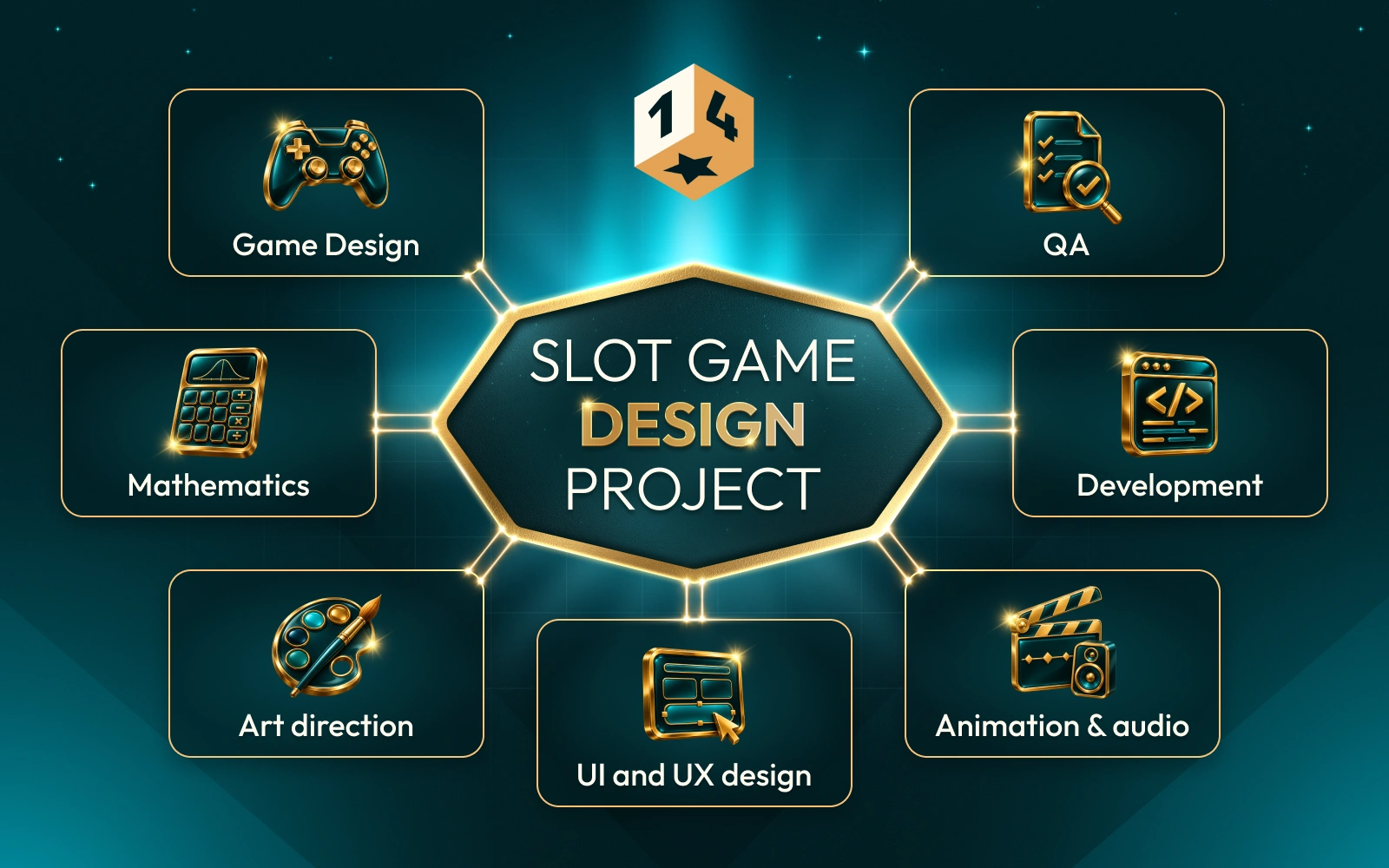
A typical project brings together several disciplines:
- Game design defines rules, features, and gameplay flow.
- Mathematics shapes RTP, volatility, winning combinations, and feature frequency.
- Art direction establishes the theme, symbols, characters, colors, and visual style.
- UI and UX design make the game clear and easy to navigate.
- Animation and audio add movement, feedback, and atmosphere.
- Development turns the approved concept into a working game.
- QA checks whether the game performs as expected.
These areas need to work closely together. A new feature can affect the math, interface, animation, or sound, while visual choices may need adjustment if they make gameplay harder to follow. Close collaboration is what turns all these pieces into a complete and consistent slot game.
Q&A: How does a slot game design project begin?
Before anyone starts drawing symbols or building animations, we need a clear picture of what the game is supposed to be.
The first stage usually combines market research, player preferences, and gaming culture with unique preferences, alongside business goals and creative brainstorming. For teams looking to design your own casino game, these decisions help define the concept, gameplay, audience, and direction before production begins.
From there, designers start shaping the project structure for a slot game. This includes defining the basic gameplay, theme, reel or grid structure, main features, and overall tone.
The concept should be specific enough to guide production. The team needs to know what the adventure looks like, which symbols belong in it, how the gameplay supports the theme, and what makes the game different from similar titles.
The mathematical model is also considered early. Gameplay and math have to support each other rather than being treated as separate parts.
Designer insight: At this stage, the most useful question is often simple: what is the main idea players should understand within their first few spins? That answer can help keep the project focused.
Once the slot game concept is clear, we can start building its visual identity. The theme sets the artistic direction and influences the background, symbols, characters, typography, colors, visual effects, and overall atmosphere. In casino slot game design, these choices help players understand the game's world before they start spinning. An ancient Egypt theme, for example, calls for a different visual language than a fruit slot or a festive release.
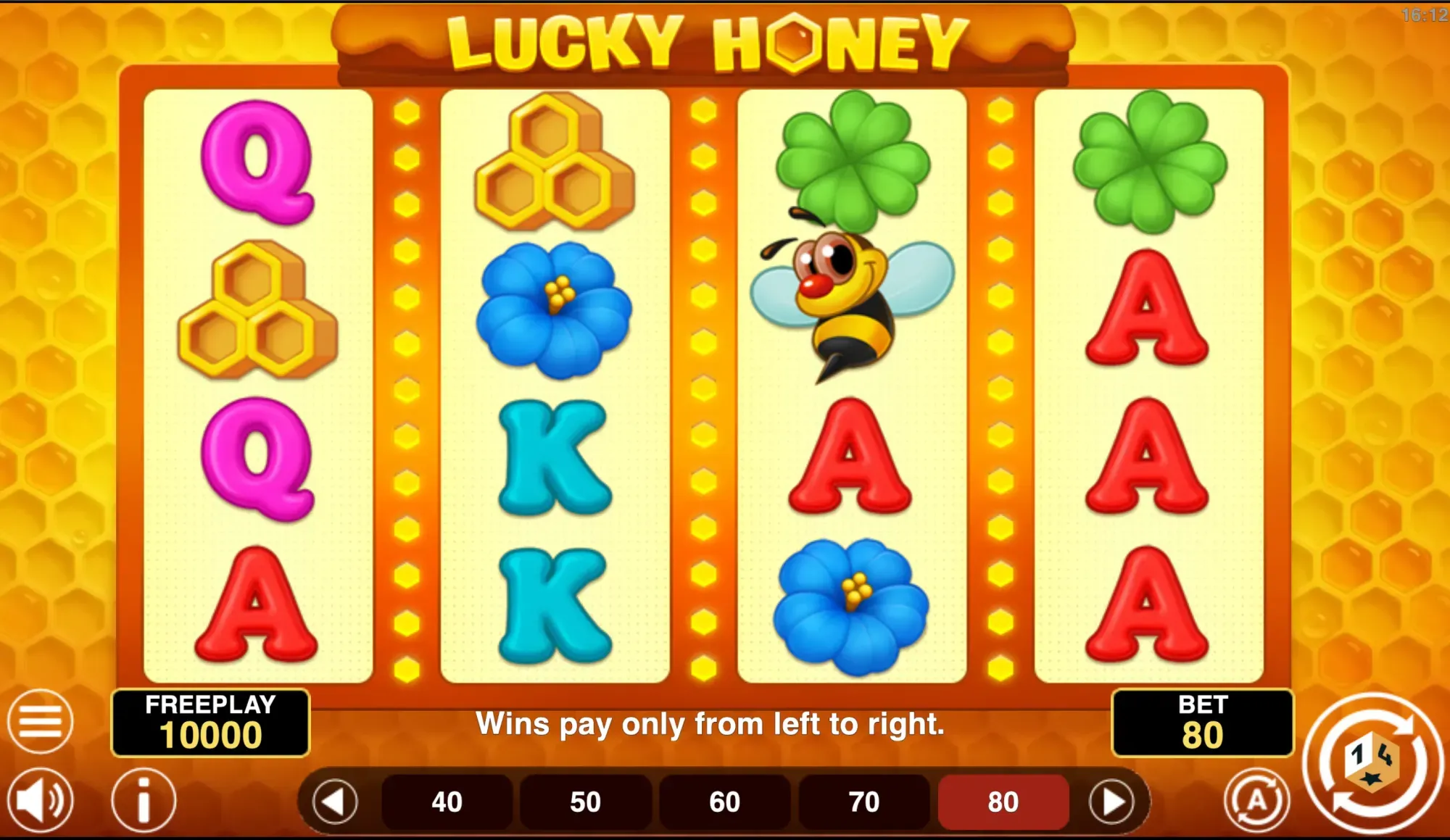
Designers choose colors and visual effects that support the mood without making the screen difficult to read. The background should create atmosphere while keeping the reels and playing field easy to see. Typography also needs to match the theme while remaining clear at different screen sizes.
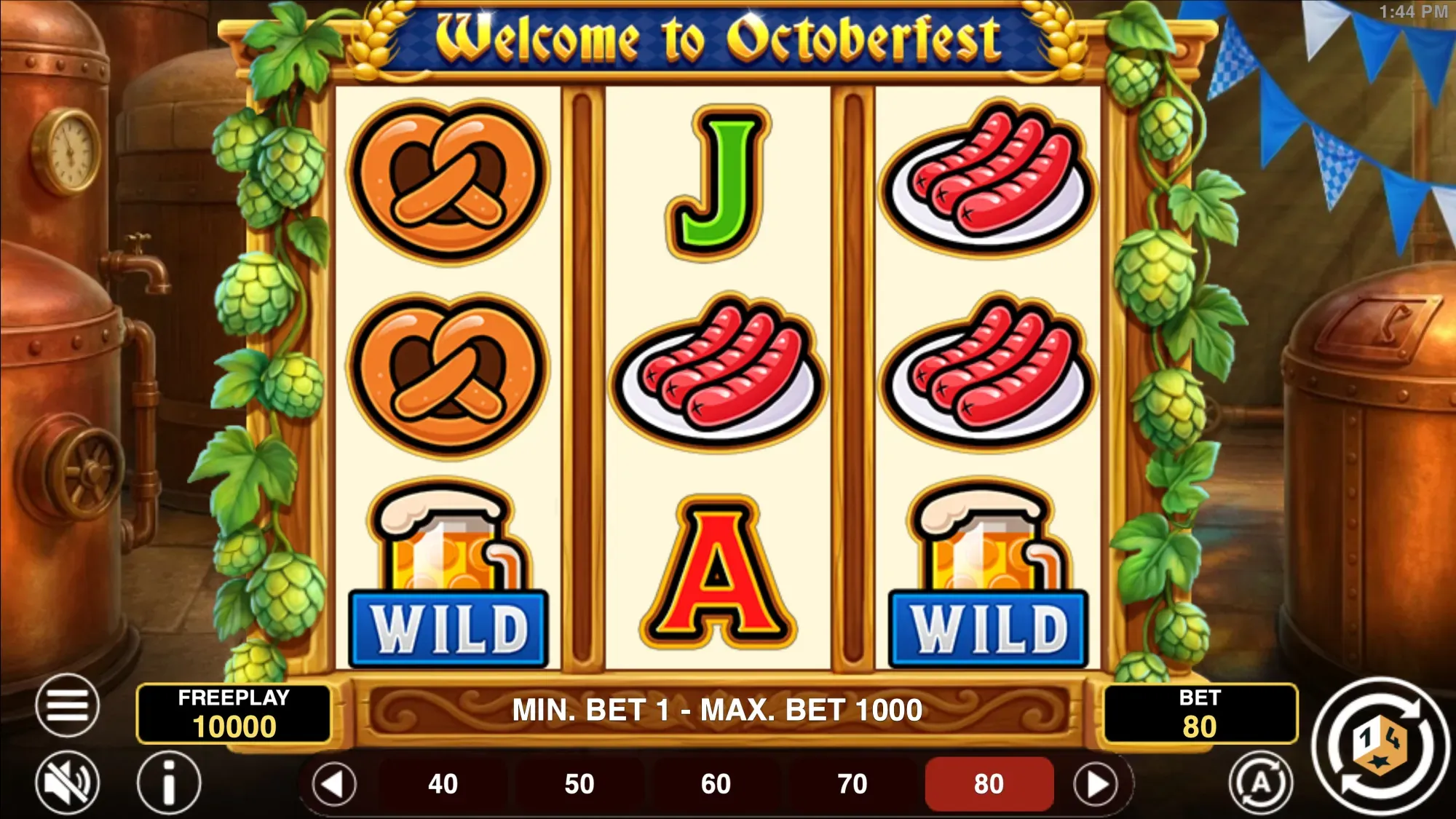
Game symbols follow the same approach. Animals, characters, letters, numbers, and themed objects should be recognizable and fit the game’s overall style. Their appearance should also make their role in the game easy to understand.
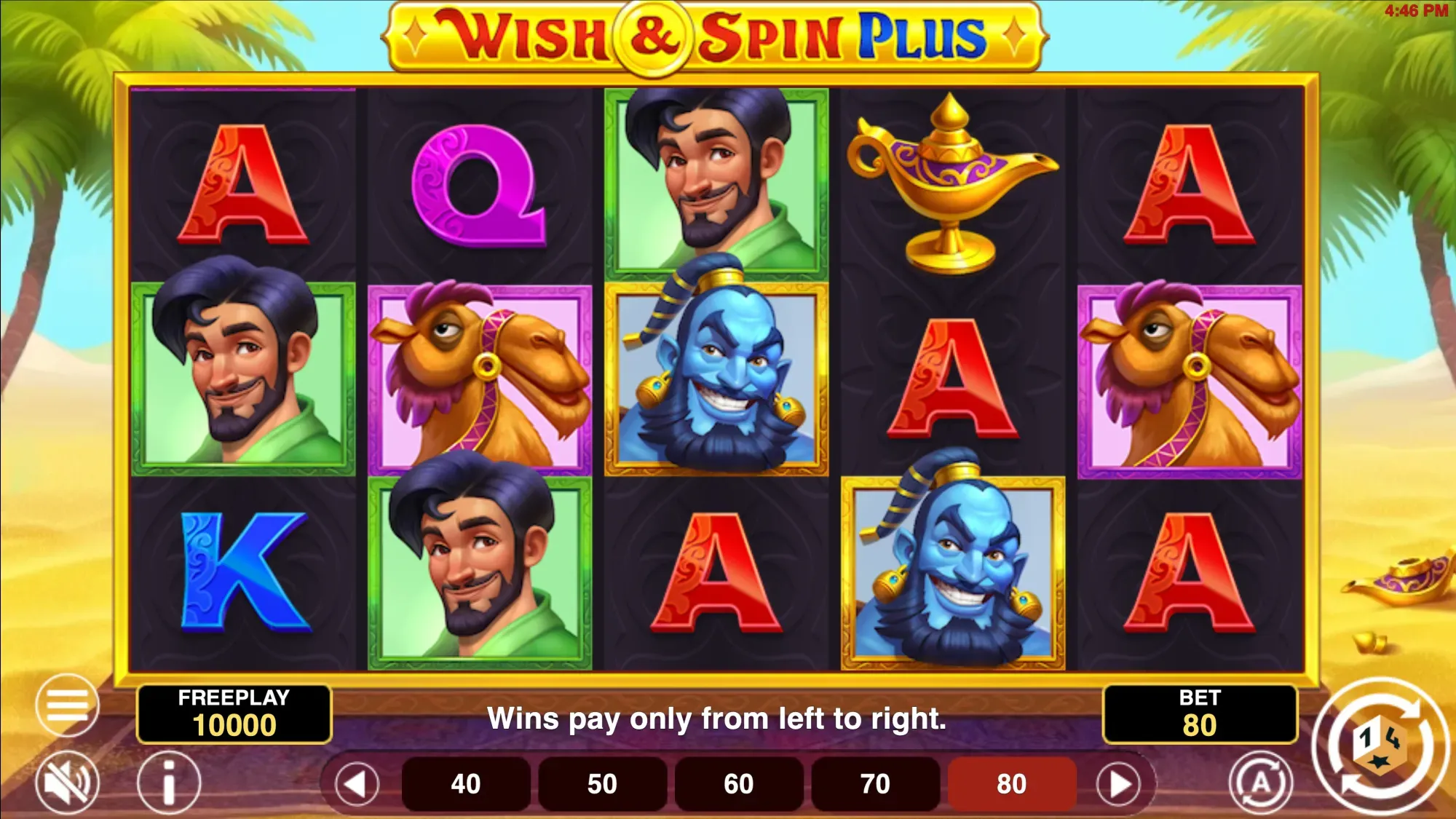
Every visual element should support the game's narrative rather than exist only for decoration. This means the theme, gameplay, and interface need to feel connected.
This approach is essential when considering how to design a casino game, as visual choices should reinforce the core concept and contribute to the overall player experience. For example, seasonal holiday themes can use festive colors, decorations, and characters to create the right mood.
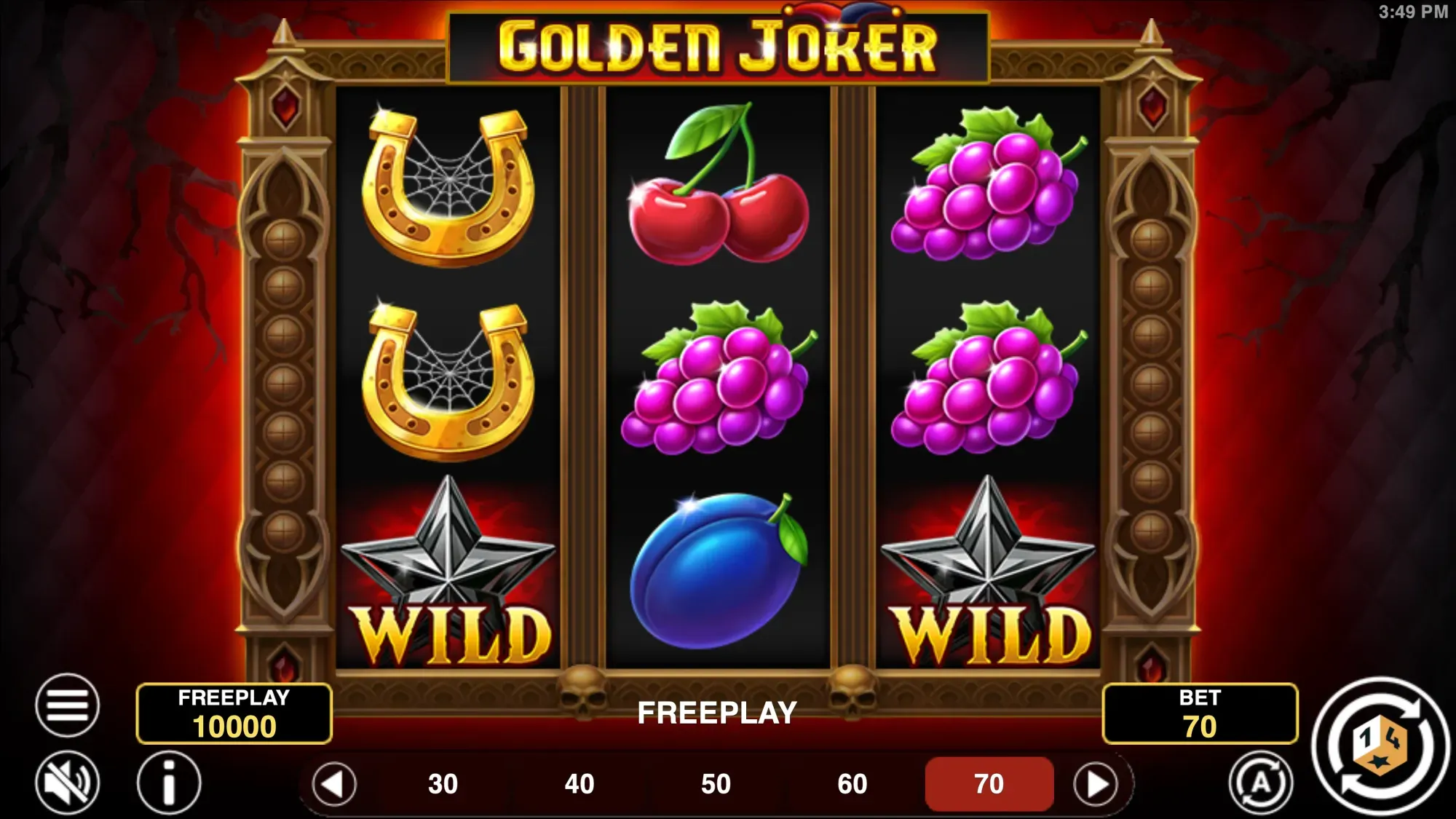
Q&A: How should designers plan every screen players interact with?
A slot is more than its reels. Players move through several screens and interface states, so designers need to plan each one around a clear purpose.
The loading screen creates the first visual impression. It should match the game's style and provide a smooth transition into the main experience.
The main gameplay screen prioritizes clarity. The playing field, symbols, controls, balance information, and other elements of the user interface should be easy to understand at a glance. The play button needs to be easy to find without competing with the reels.
The paytable explains symbol values, winning combinations, features, and other rules. Its layout should make important information easy to scan rather than forcing players to search through dense text.
Bonus screens can use stronger animation and more dramatic effects because they appear during special features. Even so, they should coincide with the game stylistically and use familiar visual cues.
The settings screen should stay simple. Players should be able to find sound controls, game information, and other available options without unnecessary steps.
Finally, win animations provide feedback when something happens on the reels. Their size, color, visual effects, and tone should match the importance of the event.
Designers also review all elements on each screen of the game to make sure they are clear, consistent, and easy to use.
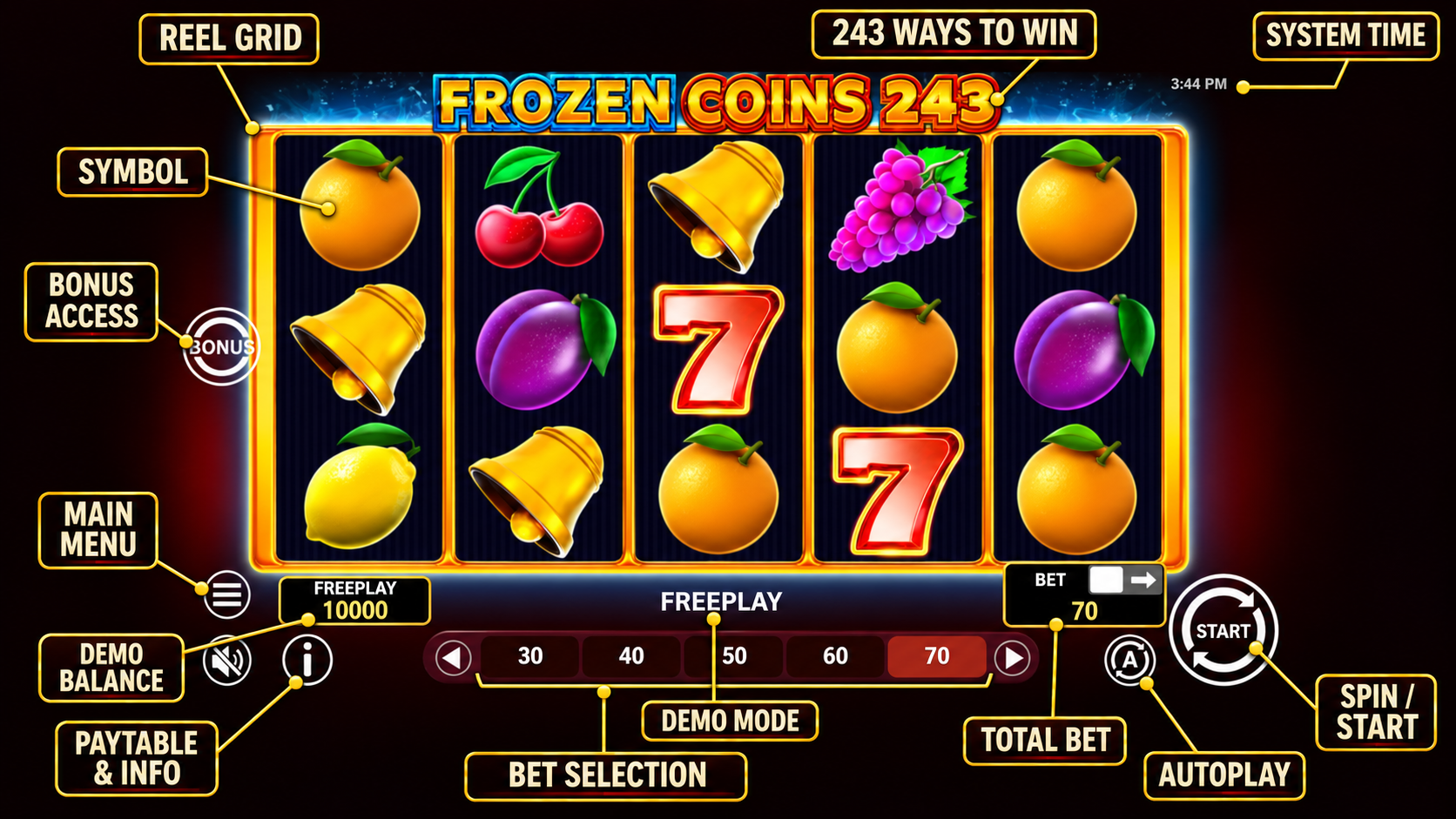
Across every screen, consistency matters. Typography, buttons, backgrounds, colors, and effects should feel like parts of the same game. That way, players can move between the loading screen, gameplay, paytable, settings, and Bonus features without having to relearn the interface.
Q&A: What makes a great slot UI and UX?
Good UI and user experience (UX) make a slot easy to understand without requiring a tutorial. Strong slots design starts with a clear idea of how the game should look, work, and feel.
One of the first things we consider is the hierarchy of information. The reels and playing field need to remain the main focus, while supporting information should be visible without taking over the screen.
The grid and individual cells should make symbol positions easy to identify. Buttons should also be large enough to use comfortably, particularly on smartphones.
This is where UX design principles move from theory to practice. Designers need to consider how players hold a phone, where their thumbs naturally reach, and how much information can comfortably fit on a smaller display.
The play button, often labeled the "spin" button, and other controls should be easy to find and use, without interfering with other functions. Information panels, bet controls, navigation, and game settings also need clear locations.
Accessibility matters too. Text should be readable, important information should not depend only on color, and animations should not make the interface difficult to follow.
A strong user interface does not try to show everything at once. It gives priority to the information players need at each moment. That balance helps the game remain clear on both desktop and mobile screens.
Q&A: How are symbols, features, and gameplay designed?
Gameplay begins with the basic rules and develops through symbols, winning combinations, and special features. When designing a slot game, these mechanics need to work in sync with the visual and mathematical structure.
We first establish a clear hierarchy between symbols. High-value symbols may be characters or themed objects, while lower-value symbols can use letters or numbers. Their appearance should make these differences easy to understand.
The game symbols also need to work within the playing field. Their size, spacing, and animation should help players follow winning combinations without confusion.
Features such as Free Spins, Multipliers, Bonus rounds, or Hold and Win mechanics add another layer to the experience. Each feature needs a clear purpose and must fit the game's math model.
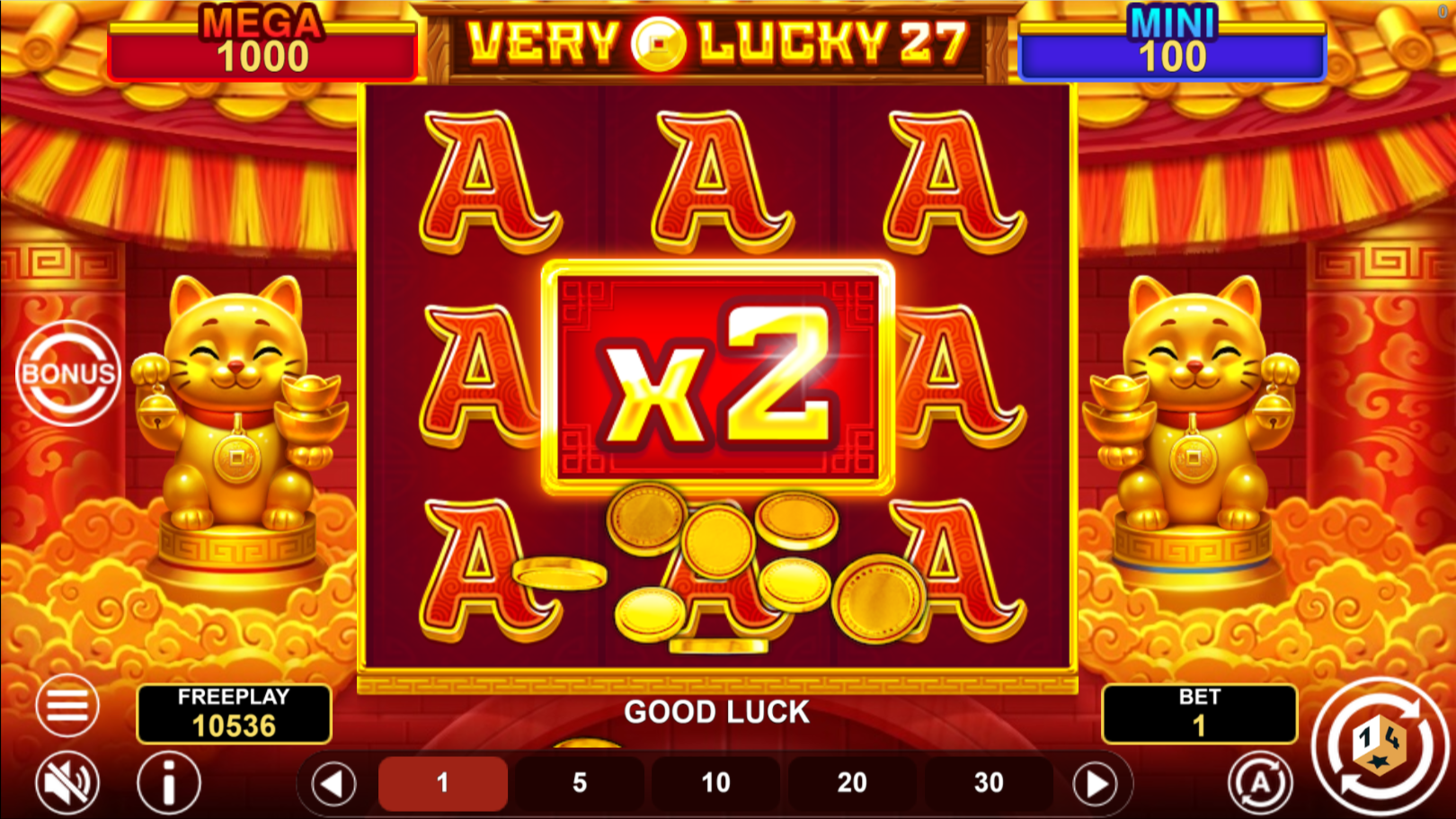

Pacing matters as well. A game should not overload players with constant effects or complicated instructions. Important features still need enough visual and audio feedback to be noticeable.
The best results come when mechanics and visuals support each other. If a feature changes how the reels work, the interface should make that clear. If a Bonus round introduces a new action, players should understand what to do without unnecessary explanation.
This is also where Responsible Gambling should remain part of the wider product experience. Clear information, transparent game rules, and accessible controls can help players understand what they are playing rather than relying on visual excitement alone.
Q&A: How does psychology influence slot game design?
Slot game design psychology is about understanding how people process information and respond to visual and audio cues.
Color can draw attention to important elements, while a carefully chosen palette can reinforce the theme and put players in the right mood.
Animation timing also matters. Short effects can confirm an action, while larger sequences can highlight a feature or win. If too many elements move at once, the screen can become difficult to follow.
Visual hierarchy helps players identify the reels, controls, symbols, and game information quickly.
High-quality graphics can make a game more appealing, but they need to work alongside clear layouts and readable information. Even games based on classic slot machine themes need intuitive controls. The same applies to slot machine games, where visual appeal should support usability.
The goal is to create an intuitive experience that feels engaging without overwhelming the player.
Q&A: Why is testing such an important design stage?
Testing is where we check whether the finished game works as intended. These tests help the team identify problems before the game reaches players.
Rigorous testing can cover usability, game logic, animations, sound, loading performance, and different screen sizes. QA teams can also look for bugs that may only appear after a particular sequence of actions.
Performance matters especially for mobile users. Long loading times, broken animations, or an interface that does not adapt correctly can affect the experience even when the underlying game is well designed.
Math verification is another important part of testing. The final implementation needs to match the approved mathematical model.
Testing is therefore not just a final technical check. It can reveal design problems while there is still time to fix them. The result is a more stable and consistent game for the player.
Q&A: What are the latest slot game design trends for 2026?
The latest trends in online slot game design 2026 show continued interest in games that combine familiar formats with additional layers of interaction.
According to 1spin4win's current industry coverage, developers are exploring features such as Cluster Pays, Megaways-style mechanics, Buy Bonus, interactive elements, and social-gaming influences. Gamification is also becoming more visible through challenges, loyalty systems, leaderboards, and progressive Bonuses.
At the same time, classic formats remain relevant. 1spin4win continues to focus on classic slots while introducing different themes, mechanics, and features across its portfolio.
When looking at slot game design trends 2026 and modern slot game design trends, the focus is not simply on making games more complicated. Familiar gameplay, clear interfaces, mobile performance, distinctive themes, and additional features can be combined in different ways.
So, what are future trends for slot designs? They are likely to develop around the balance between recognizable slot formats and new ways of presenting them.
Q&A: Could AI take over slot game design?
AI can support brainstorming and prototyping, but designers, artists, mathematicians, developers, and QA specialists remain essential. AI is more likely to assist slot game design than replace it.
Q&A: How does 1spin4win approach modern slot game design?
As a slot game design company, 1spin4win combines familiar slot formats with modern themes, mechanics, and production methods. Its portfolio includes classic fruit games, Hold and Win titles, seasonal releases, and other themed slots.
For operators looking for slot game design services or custom slot games, this approach shows why every element matters: a strong title brings together concept, gameplay, visuals, UX, mathematics, technology, and testing.
You can visit 1spin4win's current slot games portfolio to see how the studio applies creative direction and player-focused design to create engaging slot games for desktop and mobile.


noticias similares
noticias similares
últimas entrevistas






Suscríbase
Reciba nuevos estudios de casos e informes directamente en su bandeja de entrada

¡Uy! Algo salió mal al enviar el formulario.




¡Inspírate en los clásicos para que tu negocio sea atemporal!
Crea tragamonedas personalizadas que fortalezcan la participación y retención de los jugadores, así como el reconocimiento de tu marca de casino